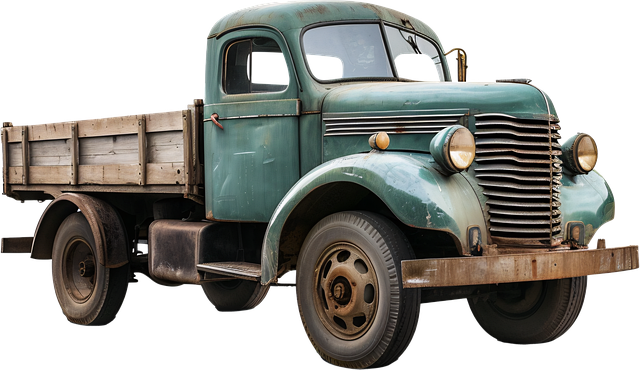
This in-depth guide explores Chevrolet service in Brownsville, focusing on advanced truck suspension systems. It delves into the importance of these systems, common issues, maintenance tips, and available repair services at trusted Chevrolet dealerships. Whether you’re a truck owner seeking knowledge or a mechanic looking to enhance your skills, this article offers valuable insights into keeping your Chevy truck’s suspension in top shape.
Introduction: The Vital Role of Truck Suspension Systems
When it comes to Chevrolet service in Brownsville, advanced truck suspension systems often go unnoticed until they fail. These intricate networks of components are crucial for a smooth ride, optimal handling, and vehicle stability. Understanding the intricacies of these systems empowers owners to make informed decisions about maintenance and repairs, ensuring their trucks remain reliable on both city streets and rugged terrain.
The Components and Function of Truck Suspension Systems
Key Elements
A truck’s suspension system is a complex interplay of several critical components:
- Springs: These absorb and distribute the vehicle’s weight while allowing for movement. There are various types, including coil springs and leaf springs, each with unique advantages.
- Shock Absorbers/Struts: They control the up-and-down motion of wheels, ensuring a smooth ride by absorbing energy from road irregularities.
- Control Arms: These links connect the suspension to the vehicle’s chassis, allowing for wheel movement while maintaining stability.
- Ball Joints and Tie Rods: Facilitate steering by connecting steering components to the control arms, enabling smooth turning.
- Stabilizer Bars (Anti-Roll Bars): Reduce body roll during cornering, enhancing handling and stability.
How It Works
The suspension system’s primary function is to isolate the cabin from road irregularities, ensuring a comfortable ride and maintaining vehicle control. When you drive over a bump, the springs compress, allowing the wheels to move independently. Shock absorbers then gradually return the springs to their original shape, preventing excessive bounce. This coordinated effort provides stability, enhances cornering capabilities, and contributes to overall driver safety.
Common Suspension Issues in Chevy Trucks
Identifying potential problems early is vital for proactive maintenance. Here are some common suspension-related challenges encountered by Chevy truck owners:
1. Spring Failure
Coil springs, particularly on older or heavily loaded trucks, can fatigue and fail over time. This often manifests as a noticeable drop in the vehicle’s height, uneven tire wear, and handling issues.
2. Shock Absorber/Strut Wear
These components take a beating from road conditions and age. Worn shocks can lead to excessive body roll, reduced cornering ability, and even vehicle instability at high speeds.
3. Control Arm and Ball Joint Damage
Rigorous use, especially on rough terrain, can cause control arms and ball joints to wear out. This may result in clunking noises, irregular tire wear, and poor handling.
4. Tie Rod End and Tie Rod Issues
These parts are susceptible to rust and damage, leading to steering problems like wander or pull to one side while driving straight.
Maintenance Tips for Optimal Suspension Performance
Regular maintenance is key to extending the life of your truck’s suspension system. Implement these practices during routine Chevrolet service in Brownsville:
- Visual Inspections: Periodically check for any signs of damage, wear, or leaks within the suspension system.
- Wheel Alignment: Have your alignment checked and adjusted as recommended by Chevy, typically every 10,000 to 15,000 miles or after severe impacts.
- Tire Rotation: Rotate your tires regularly to ensure even wear patterns, which can help prolong suspension life.
- Lubrication: Some components, like control arm bushings, may require periodic lubrication to reduce friction and wear.
- Replace Worn Parts: Address any suspected suspension component failures promptly to prevent further damage.
Advanced Suspension Services at Chevrolet Dealerships in Brownsville
When it comes to complex suspension repairs or upgrades, turn to certified Chevrolet dealerships offering specialized services:
1. Suspension Upgrades
Some owners opt for performance-oriented suspension upgrades, such as lowering springs, strut towers, or even custom suspension systems tailored to their driving needs and vehicle modifications.
2. Computerized Alignment Services
Modern alignment equipment allows mechanics to precisely set your truck’s steering geometry, ensuring optimal tire contact and handling.
3. Shock and Strut Replacement
If shocks or struts are worn, they can be replaced with high-quality, OEM (original equipment manufacturer) or reputable aftermarket options to restore proper ride height and stability control.
4. Advanced Diagnostic Services
Using specialized tools, Chevrolet technicians can diagnose suspension issues, even those related to electronic control units (ECUs) that manage various suspension functions.
Conclusion: Prioritizing Your Chevy Truck’s Suspension Health
A well-maintained truck suspension system is a cornerstone of safe and enjoyable driving. By understanding the components, common issues, and available repair options, Chevrolet service in Brownsville can offer owners peace of mind. Regular inspections, proactive maintenance, and timely repairs ensure that your Chevy truck continues to provide reliable performance, both on the daily commute and off-road adventures.
Remember, a healthy suspension translates to a safer, more comfortable driving experience for you and your passengers. So, keep these insights in mind during your next visit to the local Chevrolet dealership for service or repair.